
Melbourne Point · The city, pinned.
Where the city's actually going this week.
Food, what's on, neighbourhoods and getting around, for people who live here.
- Now
- Melbourne time ·
- Weather
- Today's pin
- Carlton
- The line
- 210 reads · 48 pinned places · 8 themes
The city, pinned
Every pin is a suburb or landmark that our reads actually talk about. Pick a theme to light up the places it touches, zoom into the inner city, and tap a pin for the reads that mention it.
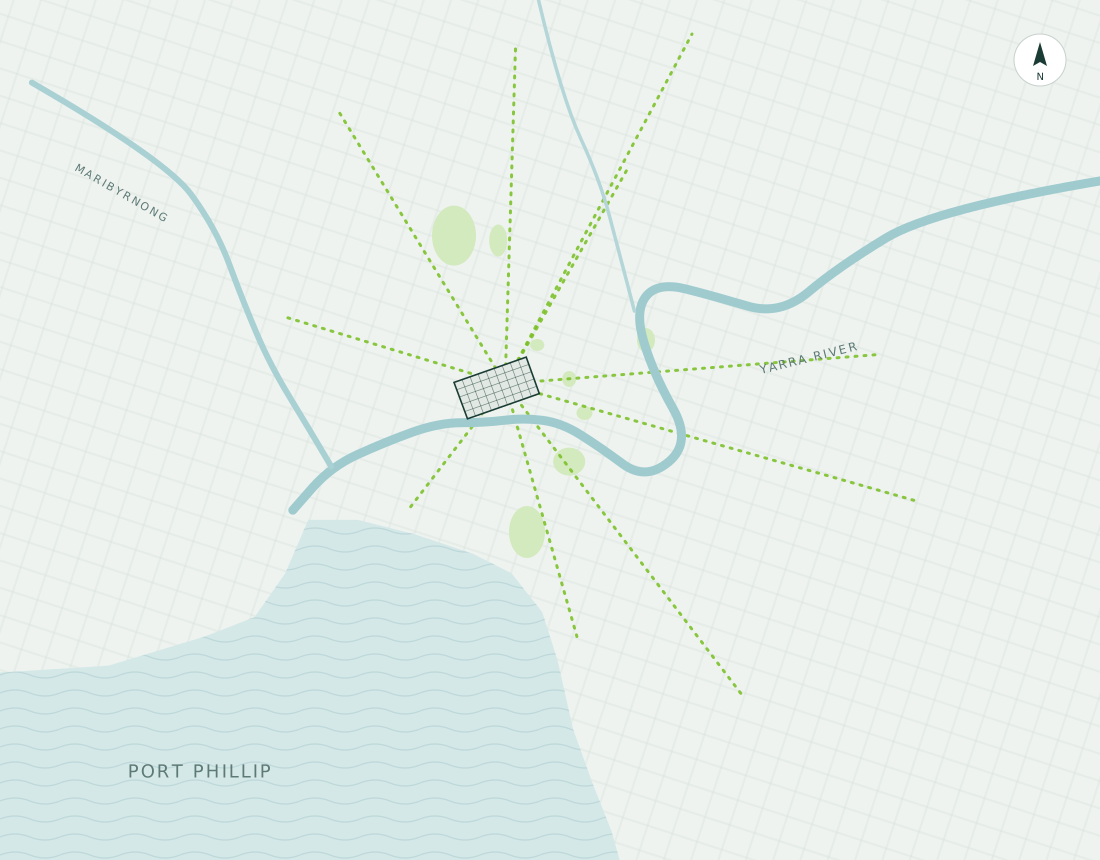
Pin positions are approximate and the tram corridors are drawn for orientation only. This is not a network map. Shift and Enter on a pin moves focus to its card.
All 48 pinned places as a list
- 1
- 4
- 2
- 5
- 3
- 13
- 5
- 1
- 5
- 7
- 2
- 5
- 5
- 1
- 4
- 2
- 9
- 3
- 4
- 7
- 6
- 2
- 2
- 2
- 3
- 6
- 5
- 5
- 3
- 4
- 2
- 3
- 6
- 4
- 7
- 5
- 5
- 4
- 2
- 1
- 1
- 6
- 7
- 5
- 3
- 1
- 4
- 1
Carlton
- Why the CBD streets run in a perfect grid
By the 1850s he had dropped the distinction between grand streets and lesser ones altogether in the new surveys, making every street in Carlton and North Melbourne a chain and a half wide and reducing the standard allotment to a...
- Boom era architecture and its lasting swagger
Anyone who spends time in Melbourne will eventually be told that the cast iron lace on the verandahs of Carlton and Fitzroy arrived as ballast in the holds of ships that had come out empty for wool.
- Why the flat white matters here
Lygon Street in Carlton, close to the university and to a large Italian population, became the visible centre of the change, with its cafes, its Italian grocers and its social clubs.
- The laneway espresso bar as an institution
Machines spread quickly from there to the University Cafe on Lygon Street in Carlton and to Pellegrini's on Bourke Street, both of which are still trading and both of which have reasonable claims to be among the earliest espresso bars...
- Ordering coffee like you've done it a thousand times
Machines spread from there to the University Cafe on Lygon Street in Carlton and to Pellegrini's on Bourke Street, both of which are still trading.
Eat and drink
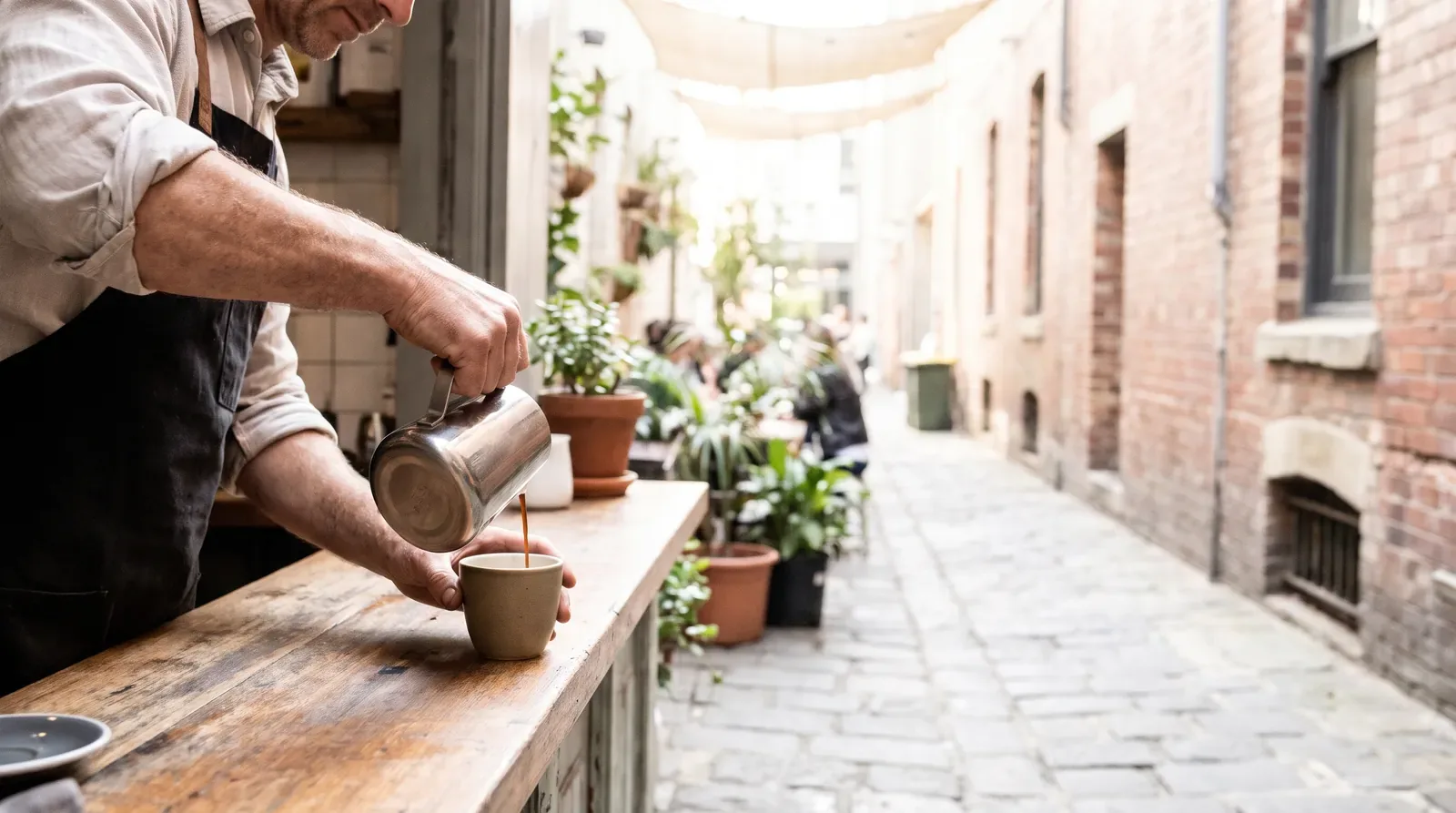
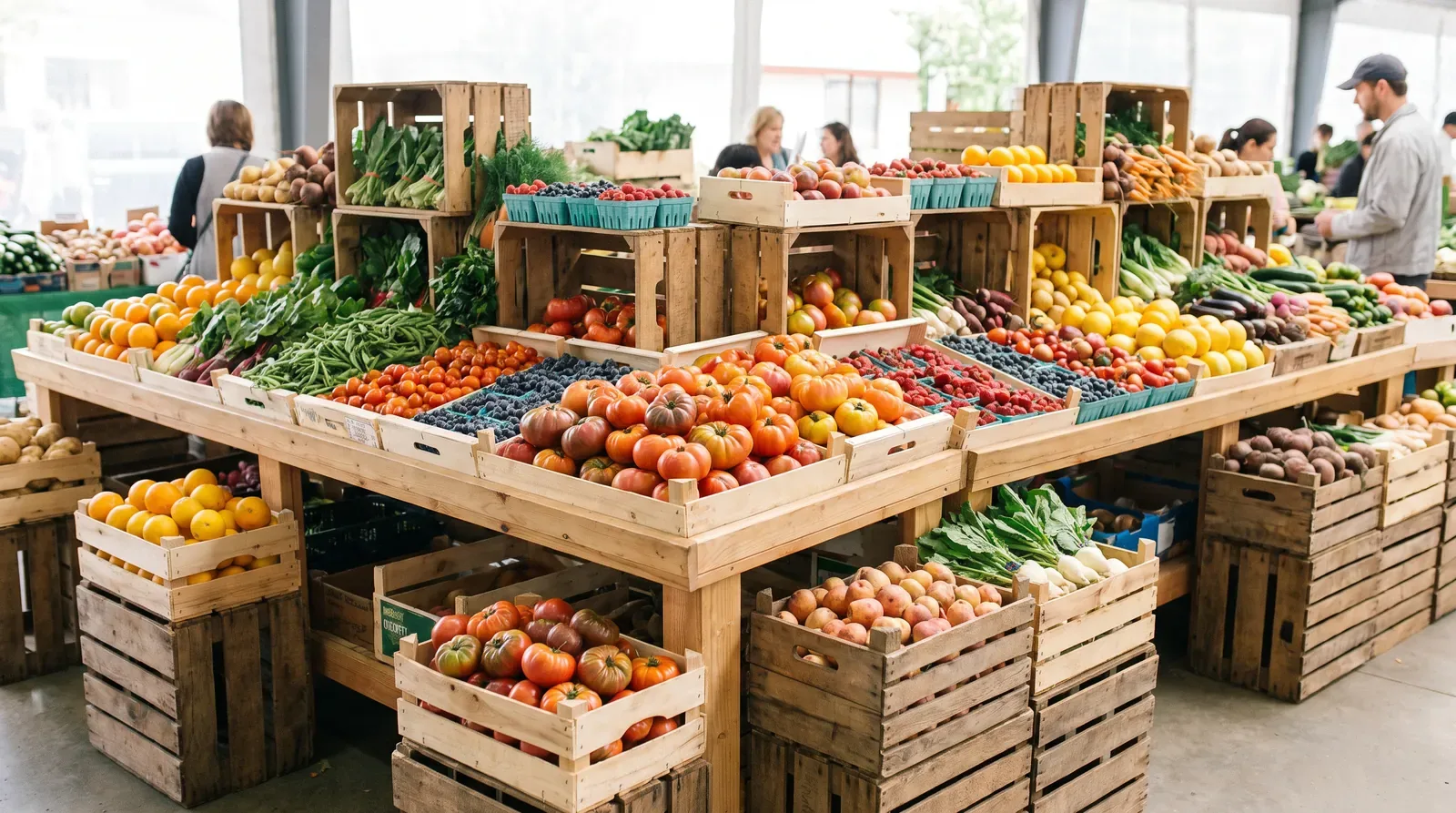
Coffee culture and the markets: how the city orders, shops and lingers. A menu board of reads, not reviews.
What's on, by season
The city runs on a seasonal timetable: cricket summers, footy winters, the slow turn of autumn. Pick a season and the photo and the reads change with it. It opens on the season it is now in Melbourne.
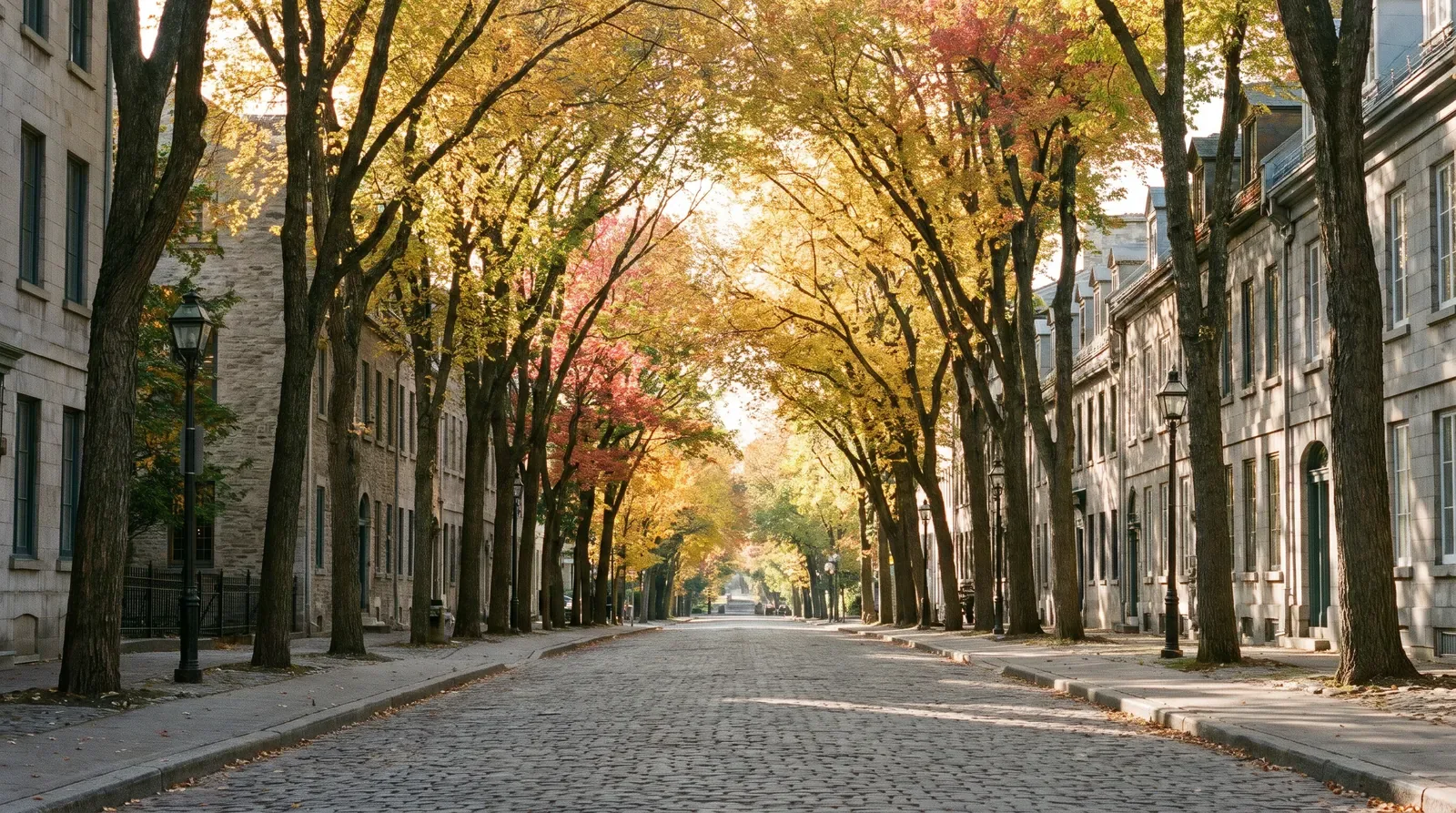
Season tone: Spring. Seasons follow the Australian calendar.
- Seasons in the citySummer nights that stay warm past ten
- Seasons in the cityBushfire season anxiety on the city's fringe
- Seasons in the cityThe Christmas heat that never quite feels right
- Seasons in the citySummer storms that roll in from nowhere
- Seasons in the cityNew Year's heat and fireworks watched in shorts
- Seasons in the cityThe long dusk of a midsummer evening
- Seasons in the cityAutumn's slow turn along a tree lined street
- Seasons in the cityAutumn leaf fall and the councils that manage it
- Seasons in the cityAutumn fog over the river at dawn
- Parks and riversThe changing colours of an autumn park
- Seasons in the cityWinter light and the short afternoons it brings
- Seasons in the cityThe first cold snap and the coats it brings out
- Seasons in the cityWinter footy mud and the puddled ovals
- Seasons in the cityWinter markets and the mulled cider stalls
- Seasons in the cityGrey skies as a genuine winter identity
- Coffee cultureCafe verandas and the winter sun they chase
- Seasons in the citySpring racing season and its citywide mood shift
- Seasons in the citySpring blossom along the suburban streets
- Seasons in the citySpring winds and their sudden, sharp arrival
- Seasons in the cityCherry blossom season in the gardens
- Sport cultureThe grand final as an unofficial public holiday
- Sport cultureHorse racing and its long local tradition
Neighbourhoods: walk the street
Read a suburb by its houses, verandas and grids, then step back a century with the city's history. Odd numbers on this side of the street.
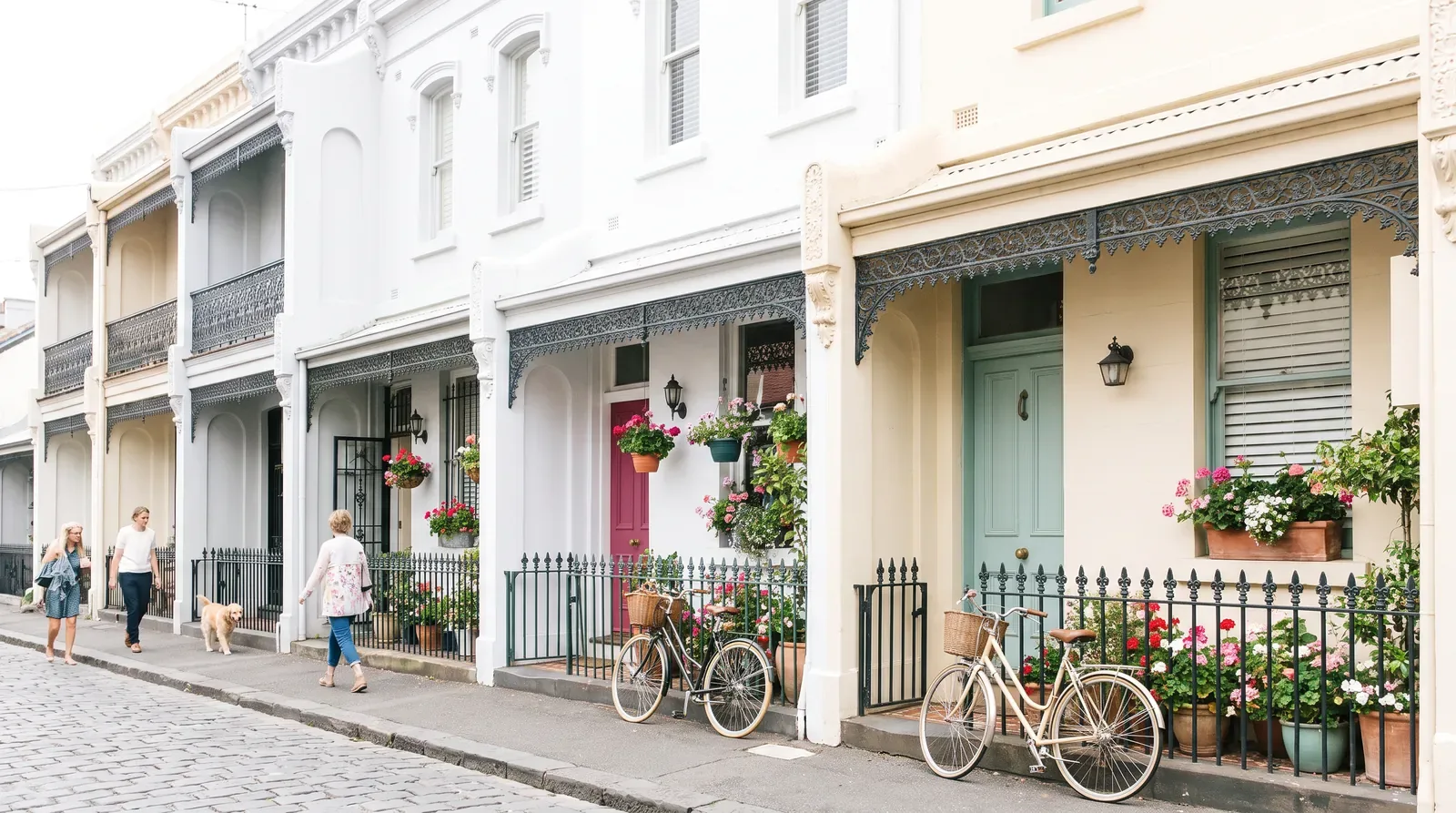
Reading a suburb by its verandas
Melbourne's suburbs are legible from the footpath in a way that few cities allow, and the veranda is the...
Neighbourhood know-howNo. 3The gold rush that built the city's grand facades
Walk east along Collins Street from Elizabeth Street and the buildings change register. The banks grow...
City historyNo. 5Terrace houses and what their narrow fronts mean
The single fronted terrace is the defining house type of inner Melbourne, and its defining feature is its...
Neighbourhood know-howNo. 7Why the CBD streets run in a perfect grid
Melbourne's central business district is one of the most legible city centres anywhere. Ten streets run one...
City historyNo. 9Weatherboard versus brick: two Melbourne childhoods
Ask a Melburnian where they grew up and, if they are being precise, they will tell you two things: the...
Neighbourhood know-howNo. 11Boom era architecture and its lasting swagger
Walk the western end of Collins Street, below Queen Street, and the buildings stop behaving like offices....
City historyNo. 13The quarter acre block and its slow disappearance
For much of the twentieth century, a generous block with room for a backyard, a shed and a Hills hoist was...
Neighbourhood know-howNo. 15The lanes that once served as service alleys
Before they became known for coffee and small bars, the city's narrow lanes existed for a far less romantic...
City historyNo. 17Share housing as a rite of passage
For a large share of young adults here, moving into a share house in the inner suburbs functions as an almost...
Neighbourhood know-howNo. 19Convict era beginnings versus the free settler wave
Unlike some of the country's older cities, this one was founded relatively late and largely by free settlers...
City historyNo. 21Front fences and what they say about a street
A low picket fence invites a glance into a front garden, while a high, solid wall firmly discourages one, and...
Neighbourhood know-howNo. 23The Exhibition Building and a lost age of world fairs
Long before convention centres became standard civic infrastructure, cities competed to host grand...
City historyNo. 25Heritage overlays and the arguments they start
Few council decisions generate quite as much heated conversation as a heritage overlay, a set of rules...
Neighbourhood know-howNo. 27Cable trams before the electric ones arrived
Before overhead wires powered the network, Melbourne's trams were hauled along by a continuously moving cable...
City historyGetting around
Trams, hook turns, the grid and the river paths. The route board lists the reads in order, like stops on a line.
- Reading Melbourne's tram network like a localGetting around
- The hook turn and the logic behind itGetting around
- Why the CBD grid still guides how you walkGetting around
- City Loop trains, explained simplyGetting around
- Touching on and touching off without thinkingGetting around
- Laneways as shortcuts, not detoursGetting around
- Getting to the airport without a carGetting around
- One way streets and the confusion they causeGetting around
Parks and rivers
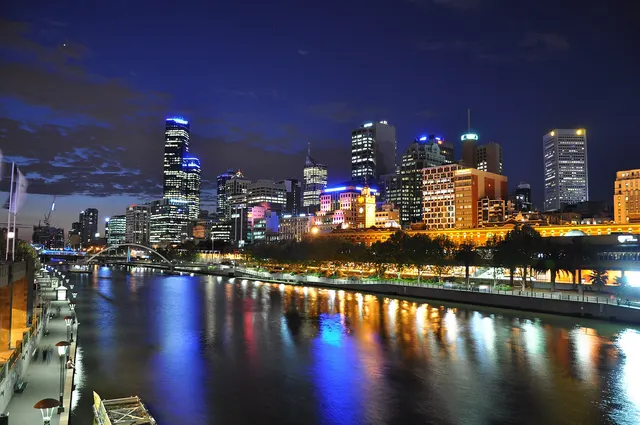
The Yarra's slow bend through the city
Melbourne exists where it does because of a rock bar. A little upstream of the present Queens Bridge, a natural ledge of stone crossed the river, and...
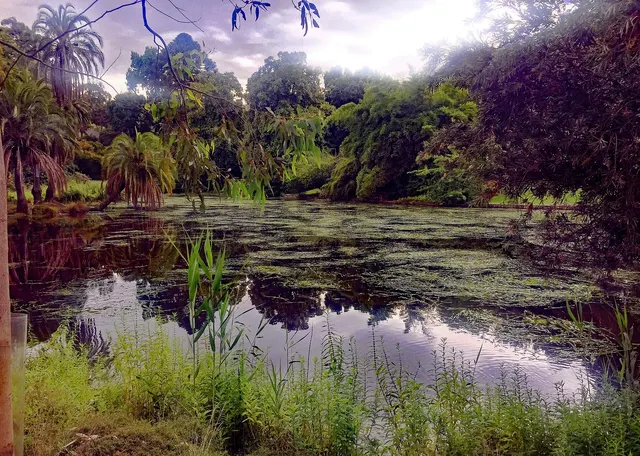
Botanic gardens as the city's green lungs
Melbourne set aside land for a botanic garden on the south bank of the Yarra in March 1846, only eleven years after the settlement began. That is...
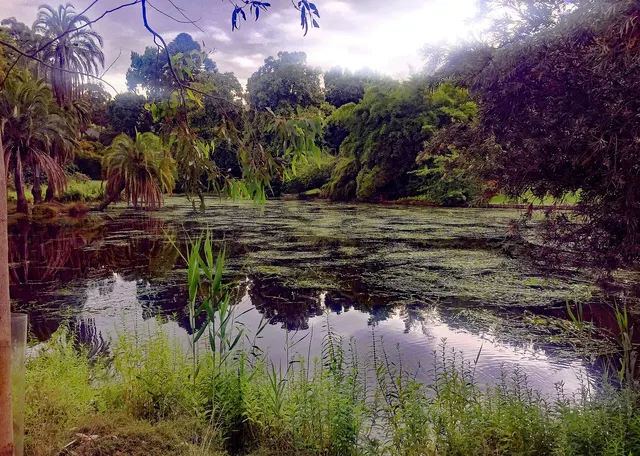
Picnic culture on a warm Sunday
On the first genuinely warm Sunday of the year, and on most Sundays after it, a large part of Melbourne relocates to grass. The pattern is remarkably...
Terminus: the library
210 evergreen reads on eight lines, 24 of them full reference articles with 113 cited sources. Search them by word, theme or place.