Picnic culture on a warm Sunday
Reference library · 1058 words
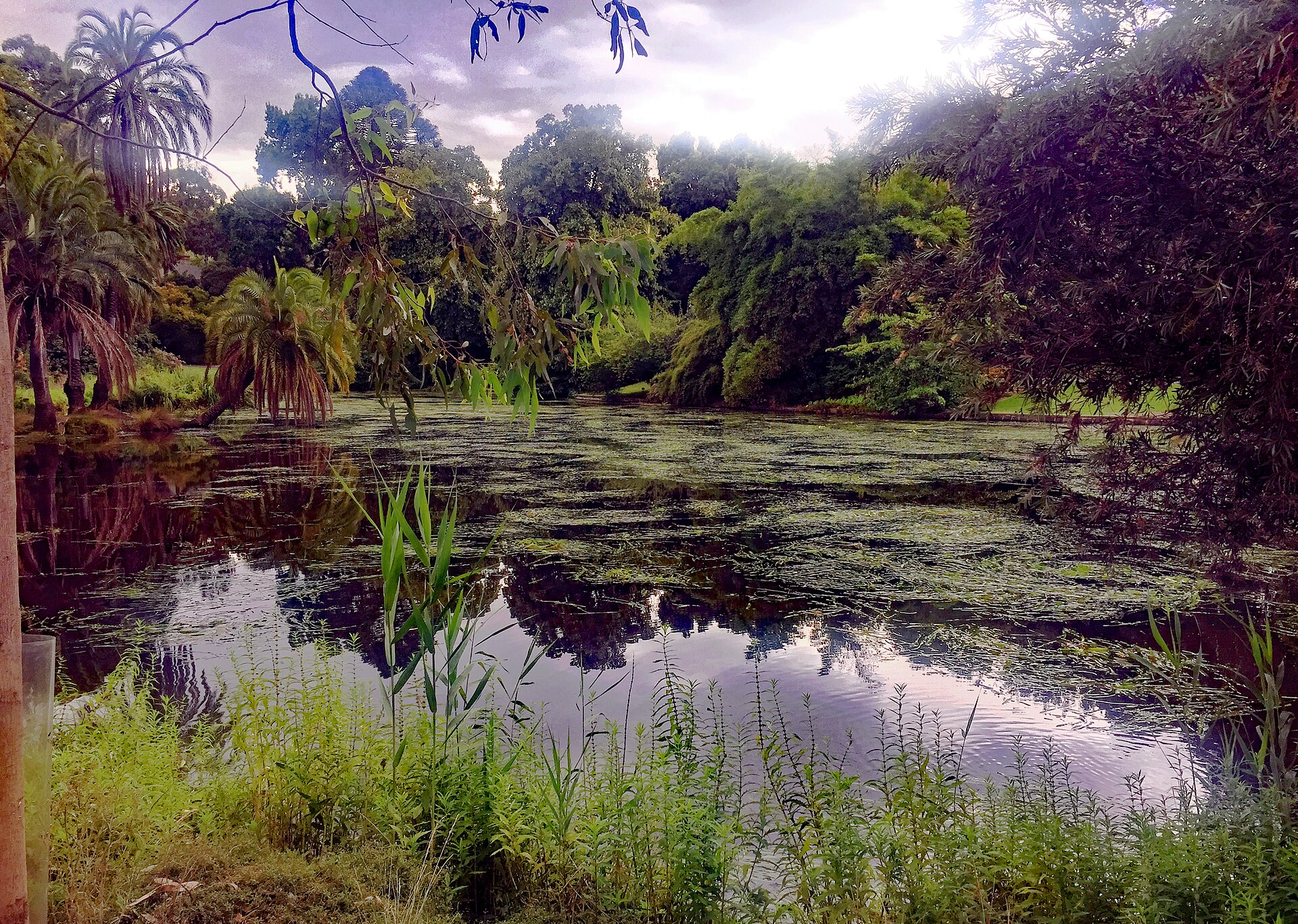

On the first genuinely warm Sunday of the year, and on most Sundays after it, a large part of Melbourne relocates to grass. The pattern is remarkably consistent: an esky, a rug, somebody's dog, a cricket set that will be used for twenty minutes, and a group that grows through the afternoon as people arrive from other commitments. It looks casual. It rests on a set of decisions made in the 1840s and 1850s that gave this city more accessible open ground close to its centre than almost any comparable place.
Melbourne's parks exist because Charles La Trobe, as superintendent and then lieutenant governor, reserved large blocks of Crown land before 1854, at a moment when they could still be reserved. Royal Park, Princes Park, the Albert Park reserve, Fawkner Park, Yarra Park, the Royal Botanic Gardens, the Fitzroy Gardens and the Carlton Gardens all date from that decision. They were not bought back later at enormous cost; they were simply never sold. Every Sunday picnic in inner Melbourne is sitting on the consequence.
The land itself is Wurundjeri Woi Wurrung country, with Boon Wurrung country to the south and east around the bay; both peoples belong to the Kulin. The river the parks string themselves along is the Birrarung. The English name Yarra is generally understood to have come from a misunderstanding: an early surveyor recorded a Woi wurrung phrase describing flowing water and took it to be the name of the river. The mistake stuck, and both names are now in public use, which is why signage along the river increasingly carries Birrarung as well.
The parks, and what is actually in them
The Royal Botanic Gardens, founded in 1846, occupy thirty eight hectares on the south bank opposite the city and hold more than eight thousand five hundred plant species. Its Ornamental Lake is the classic picnic ground, and the gravel track around its perimeter, universally known as the Tan, is where a considerable portion of the city runs. What made the gardens possible, along with the ornamental plantings across the whole city, was the Yan Yean reservoir coming into service in 1857 and giving Melbourne water it could afford to spend on grass.
North of the river the Fitzroy Gardens and the Treasury Gardens give office workers somewhere to eat lunch and give weekend picnickers deep elm shade. Carlton Gardens holds the Royal Exhibition Building of 1880, the first Australian building given World Heritage listing. Yarra Park surrounds the Melbourne Cricket Ground and still contains river red gums that predate the city. Royal Park in Parkville is the largest of the inner reserves and the least manicured, which suits people who want space more than they want flowerbeds.
Newer ground has been added at the edges. Birrarung Marr was built on eight hectares of the former Jolimont railway yards on the north bank, filling the gap between Federation Square and the sports precinct. Westgate Park sits under the bridge on reclaimed industrial land, and Jells Park serves the eastern suburbs. Along the creeks, Merri Creek through Brunswick and Northcote, the Darebin, and the Maribyrnong at Footscray all carry linear parks that were once drains and dumping grounds.
How the river became a place to sit
The Yarra was not always somewhere you would spread a rug. Through the nineteenth century it carried the waste of tanneries, abattoirs and noxious trades, and the lower reaches were an industrial working river. It was also engineered heavily: the Coode Canal cut a new course at Fishermans Bend in the 1880s, and between 1897 and 1901 the Botanic Gardens Cut straightened the channel and removed billabongs to control flooding, leaving Herring Island stranded when the works were finished in the late 1920s. Serious floods, including the worst of the twentieth century in 1934, kept the riverbanks from being built on.
The change came from a series of Yarra improvement conferences among councils in the late 1930s, which revived older schemes for planting and parkland along the river. By the end of the twentieth century policy treated the river corridor as primarily recreational, and there are now over two thousand hectares of parks along more than sixty kilometres of riverbank. Boathouses at Studley Park and Fairfield, the trail network on both banks, and the reserves at Dights Falls where the Merri Creek joins the Yarra are all products of that reversal.
Which brings up the myth worth correcting. The Yarra is constantly described as filthy on the evidence of its colour. The brown is overwhelmingly suspended clay and silt washed off the catchment, not sewage; the river runs through fine grained soils and carries them. Water quality varies a great deal, is genuinely poor after heavy rain when stormwater flushes the drains, and is nothing like the industrial river of a century ago. The colour is the least reliable indicator available, and the joke about the river that flows upside down has outlived the conditions that produced it.
The practicalities nobody tells you
A warm Sunday in Melbourne is a provisional thing. The city sits where hot air off the interior meets cold fronts arriving from the Southern Ocean, which is the origin of the four seasons in one day cliche and the reason experienced picnickers bring a jumper to a thirty degree forecast. Melbourne averages around six hundred millimetres of rain a year, less than Sydney or Brisbane, but spread over roughly a hundred and forty rain days and with fewer clear days than any other Australian capital. Showers are frequent and short. Plan for the shower, not the day.
Shade is the other consideration. Native eucalypts hold their leaves vertically and cast thin shade, which is why picnickers cluster under the imported elms, planes, oaks and Moreton Bay figs rather than under gums. Most large parks have coin or push button barbecues, and they are all occupied by eleven in the morning on a good day. Total fire ban days shut the solid fuel ones. Alcohol rules vary by council and by park, and are enforced unevenly but genuinely. And the trams get you almost everywhere: route 58 along Domain Road for the Botanic Gardens and the Tan, 96 for Albert Park and the bay, 19 for Princes Park, 86 for the Merri Creek end of Northcote. The picnic is improvised. The infrastructure under it was not.
References
- eMelbourne, The Encyclopedia of Melbourne OnlineParks and Gardens
- eMelbourne, The Encyclopedia of Melbourne OnlineYarra River
- Royal Botanic Gardens VictoriaMelbourne Gardens
- eMelbourne, The Encyclopedia of Melbourne OnlineKulin
- WikipediaClimate of Melbourne
This is a reference article, written from the sources above. It is background, not news reporting.