Op shop hunting as a weekend sport
Reference library · 976 words
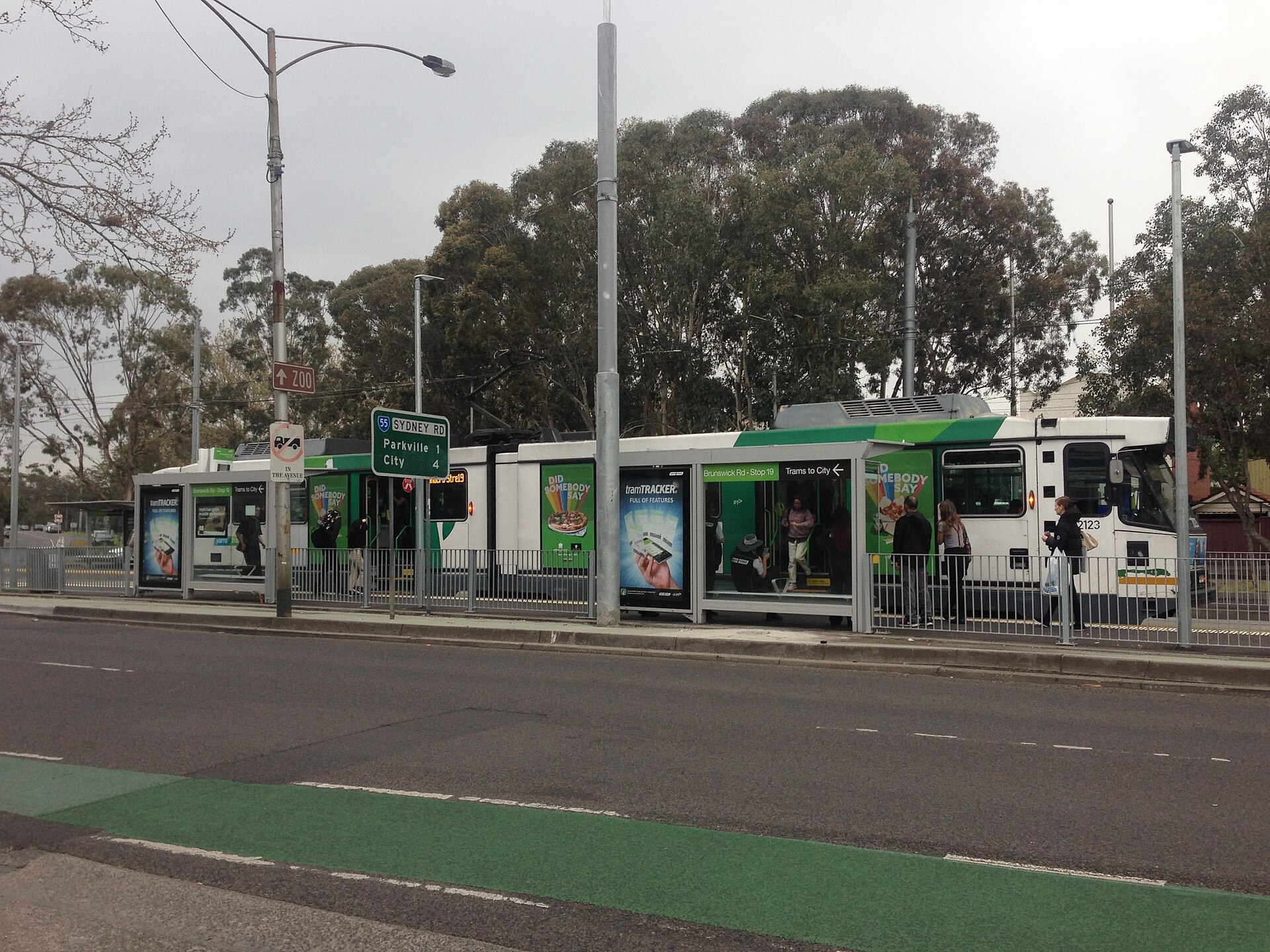
.jpg)
The op shop run is a genuine Melbourne pastime, conducted with the seriousness of a fishing trip. It has rules, favoured grounds, a preferred time of day, and a great deal of argument about whether it was better a decade ago. The word itself is worth pausing on: op shop is short for opportunity shop, and it is Australian and New Zealand usage. The British say charity shop and the Americans say thrift store. The term has drifted so far from its origins that Australians now call any second hand shop an op shop, charitable or not.
The first opportunity shop in Australia was set up in Melbourne in 1925, by Lady Millie Tallis, to raise money for St Vincent's Hospital. She took over a disused cyclorama building in Fitzroy, received more than ten thousand donated items, and raised over two thousand pounds in nine weeks. That is a striking figure for the time, and it established the model that every op shop still runs on: donated goods, volunteer labour, and a cause that people can name.
The other founding institution came a few years later. The Brotherhood of St Laurence was formed as an Anglican religious order in Adamstown, near Newcastle, in 1930 by Father Gerard Kennedy Tucker, who took the name of the third century martyr regarded as the patron saint of the poor. The Brotherhood moved to Fitzroy in 1933, working out of St Mary's Mission, and its headquarters have been there ever since. Through the Depression it ran hostels, bought property to house people at rents they could pay, made films about slum conditions and organised protests over tenancy law. In the 1950s it created a donated goods division and opened more shops, and it went on to become the first non government organisation in the country to employ professional social workers. Its op shops and its second hand book business still fund the organisation today.
Where the hunting actually happens
Serious op shoppers work to a geography, and the geography rests on a simple observation about how donations move. Goods are given near where people live; they are sold near where the shop is. The best hunting is therefore not in the wealthiest suburbs, where charity retail rents are high and shops price accordingly, but in the shopping strips just beyond them, where donations from the affluent side of the boundary land in a shop with a modest rent.
In practice that means the long tram strips. Sydney Road through Brunswick and Coburg, served by route 19, has carried second hand trade for decades. High Street through Northcote, Thornbury and Preston, on route 86, is the other classic run, and it has the advantage of being walkable between shops. Glenferrie Road in Hawthorn, Burwood Road, Chapel Street in Prahran and Windsor, Puckle Street in Moonee Ponds and Barkly Street in Footscray all have their partisans. Camberwell adds a different institution altogether: a trash and treasure market that runs on Sunday mornings in the Station Street car park, where the stalls are private sellers rather than charities and the bargaining is real.
The etiquette is unwritten but consistent. Go early on a weekday if you want the best of the week's sorting; go Saturday morning if you want company. Check the seams and the zips, because nothing is returnable. Do not haggle in a charity shop, where the price supports a service, but do haggle at a trash and treasure market, where it is expected. And accept that most trips find nothing, which is the point: the whole activity is structured like fishing precisely because the reward is intermittent.
What has changed, and one thing to stop doing
Two shifts have altered the sport in the past twenty years. The first is resale. Online marketplaces made it possible for anyone to turn a two dollar jacket into a fifty dollar listing, and a class of professional pickers now works the same strips as the amateurs, arriving earlier and buying in volume. Charities responded by training staff to recognise labels and by opening dedicated vintage or boutique stores where the good stock is priced closer to its market value. The complaint that op shops have got expensive is largely accurate, and it is a direct consequence of the resale market rather than of charity greed.
The second shift is environmental. Op shopping has been rebranded as a response to fast fashion, and for the buyer that is broadly fair: keeping a garment in circulation is better than manufacturing a new one. For the donor it is more complicated, and this is where a genuine correction is needed. Charities are not a disposal service. A very large volume of what is donated in Australia is unsaleable, and the organisations that receive it carry the cost of sorting it and sending it to landfill. Dumping bags outside a closed shop on a Sunday, which happens constantly, is worse again, because rain and vandalism turn the whole lot into waste that somebody has to pay to remove. Donating well means donating things you would honestly still wear, clean, inside opening hours.
What has not changed is why the strips work. Op shops sit in the same places as they always have because those places have the same combination of dense housing, cheap frontages and a tram line. Fitzroy, where both the first opportunity shop and the Brotherhood began, went from a merchant suburb in the 1840s to an industrial and working suburb, to a centre of postwar Greek and Italian settlement and of Aboriginal community organisation, to a gentrified strip where the hotels became galleries. Through every one of those phases somebody on Brunswick Street or Gertrude Street was selling other people's clothes to fund something. That is the actual continuity, and it is a better reason to keep doing it than any amount of vintage.
References
- WikipediaCharity shop
- Brotherhood of St LaurenceOur history
- eMelbourne, The Encyclopedia of Melbourne OnlineBrotherhood of St Laurence
- eMelbourne, The Encyclopedia of Melbourne OnlineFitzroy
This is a reference article, written from the sources above. It is background, not news reporting.